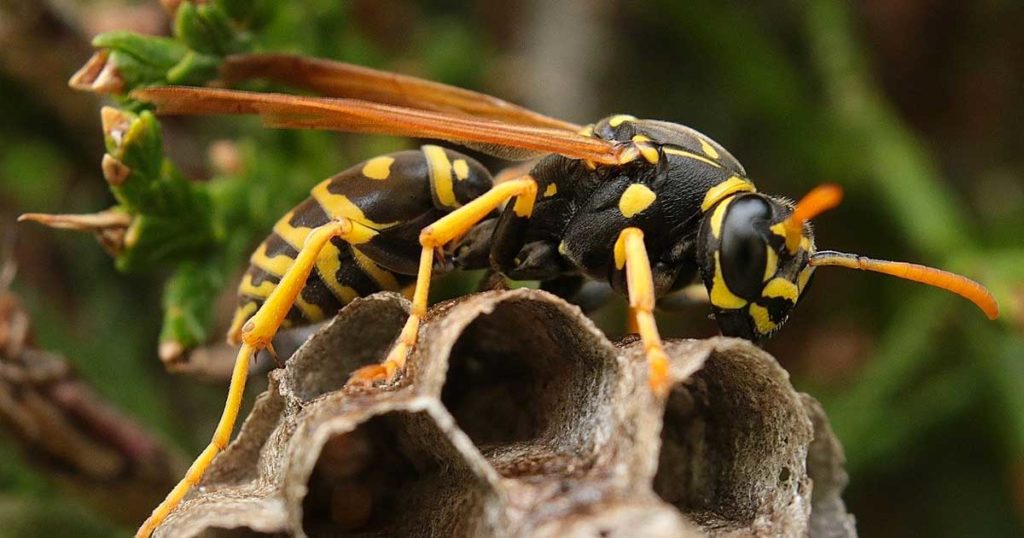
SOS summer! We reveal which home remedies you can use to treat a wasp sting and when you should call a doctor.
Have you ever been injected with liquid fire? This is exactly how a fresh wasp sting feels. One can even speak of luck that it was only a wasp and not a bee. Because bee stings are less common but should hurt even more because the bee pumps all of its poison into the body when it stings.
You can tell that you have been stung by the burning pain and goosebumps that feel like it goes under the scalp. The skin swelling, redness, and itching usually only appear a few hours after the bite. After 3–4 days, the symptoms subside – if they last longer, you should consult a doctor.
To relieve the symptoms, you don’t have to resort to (non-prescription) medications such as cortisone ointments, antihistamines, or anti-inflammatory pain relievers. There are a number of home remedies you can use to treat your wasp sting – whether at home or on the go.
We would like to introduce you to the seven best SOS home remedies for wasp stings. But before that, let’s take a look at what one should do or what should be avoided during treatment if one has become a victim of wasps.
When do you have to see a doctor after a wasp sting?
Most wasp stings are harmless. You only need to see a doctor in exceptional cases. For example, if you have been stabbed in the mouth or throat, or if you are allergic to insect venom.
If an anaphylactic shock occurs after the sting, you must call an emergency doctor immediately. To be able to react quickly, it is important to keep a close eye on the person who has been stung for at least half an hour.
Symptoms of anaphylactic shock:
- Severe swellings (> 10 cm around the puncture site)
- dizziness
- Drowsiness (to the point of unconsciousness)
- Nausea and vomiting
- Difficulty speaking and swallowing
- Shortness of breath
- Racing heart
- Stomach cramps
- diarrhea
If you know that you are allergic to insect bites, you should always have an emergency kit with you in the summer with an adrenaline injection, antihistamine and cortisone so that you can take care of yourself in the event of an emergency. As a layperson, you should also alert an emergency doctor – especially if you are traveling alone!
Treating wasp stings: the do’s & don’ts!
When it comes to treating a wasp sting, there is a lot of dangerous ignorance floating around. This particularly applies to the important first few seconds after the sting. You can do some things wrong here and thus delay the chances of recovery. The most important do’s and don’ts are given here at a glance:
Should you suck out the poison from a wasp sting?
Under no circumstances suck out the poison with your mouth! The insecticide spreads through the mucous membranes in the body and only spreads further. Instead, try to express the poison. It is best to use a suction stamp from the pharmacy do not touch the wound with unwashed fingers, otherwise, germs can get into the body.
Should one leave the sting in or pull it out?
If you see a stinger in the puncture site, you have most likely been stung by a bee. Wasps and hornets usually do not lose their sting. That is also the reason why they can stab several times in a row.
Either way: The sting has to get out as quickly as possible. Use a pair of tweezers, with which you grasp the stinger close to the skin, and carefully pull it out. Be careful not to squeeze the poison pouch at the end of the spike, causing even more poison to flow into the skin.
Should one treat the wasp sting with cold or heat?
Here it depends on the order. First, you treat the fresh stitch with heat. For example with an electric stitch healer from the pharmacy that heats the wound to 50 degrees. As a result, the protein molecules (histamines) in the wasp venom break down, which means that the sting is less itchy and does not swell as much. However, this only works in the first few minutes after the wasp sting.
You can treat the sting with cold afterward. Cooling compresses are the ultimate here! The cold causes the blood vessels to contract. The poison spreads more slowly and the pain is significantly reduced. In addition to the puncture site, you should also cool the neck area to prevent the airways from swelling – regardless of where you were stung.
Important: Do not press ice or the cooling pad directly onto the skin. Wrap the coolant in a towel or piece of cloth once or twice to prevent frostbite.
The 7 best home remedies for wasp stings
The number one rule when treating wasp stings is: cool, cool, cool. You can find out what other home remedies can help relieve itching, swelling, and pain here.
Tip: These products can be used not only to treat wasp stings, but also other insect stings.
EVERYBODY SHOULD CHOOSE #6 REMEDIE AS IT’S THE MOST PRACTICAL SOLUTION
1. Hot spoon
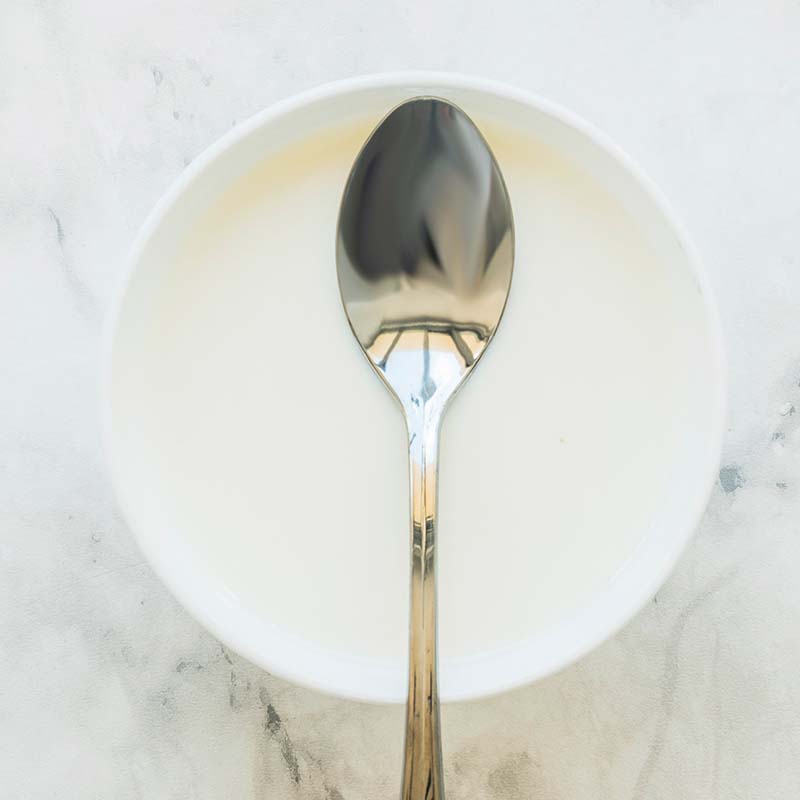
If you don’t have a stitch healer at hand from the pharmacy, you can neutralize the poison with a heated spoon or a brewed tea bag. A chamomile tea bag can also have a calming effect.
To avoid burns, the spoon must of course not be red-hot. So don’t hold a lighter under it! It is sufficient to heat the metal spoon with warm water (not boiling!). In addition, only briefly press the hot back of the spoon onto the puncture site.
2. Sugar cubes
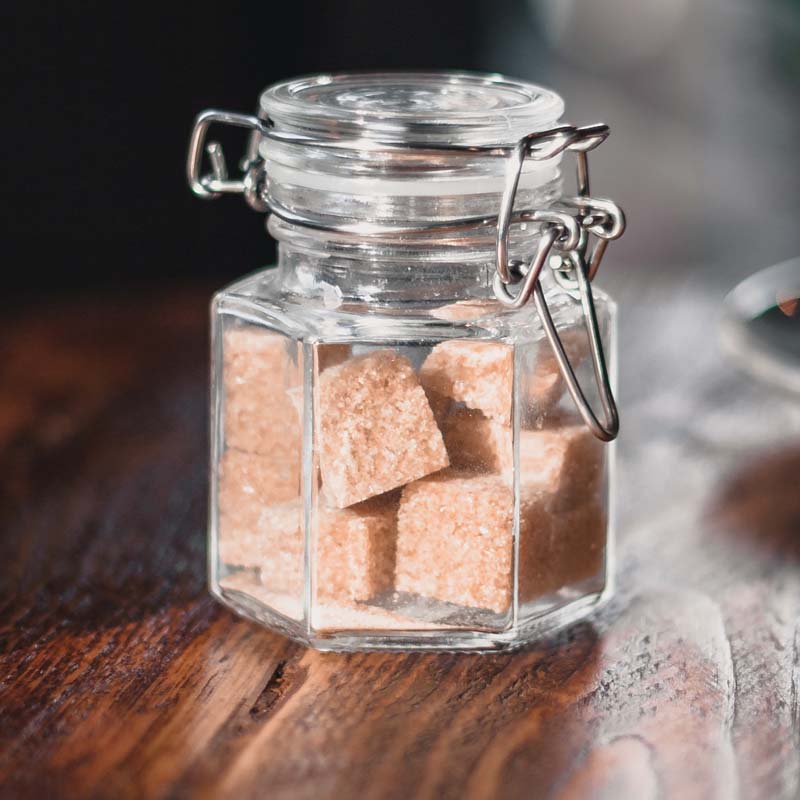
Part of the wasp venom can be sucked out with a sugar cube. It is important that you have the Zucker Apply to the bite as quickly as possible before the insecticide spreads throughout the body. To do this, take a moistened sugar cube and press it on the sting for a few minutes.
Tip: In addition to sugar, honey can also help with wasp stings. Bee honey has an antibacterial and slightly anti-inflammatory effect. But be careful: If you are outside, you can use it to attract more wasps.
3. Onion
Sounds crazy, but it really helps: Spread some onion juice on the affected area or press a thick slice of onion on it for half an hour. The onion not only cools the sting pleasantly, but it also has a strong anti-inflammatory effect. Perfect for first aid with wasp stings!
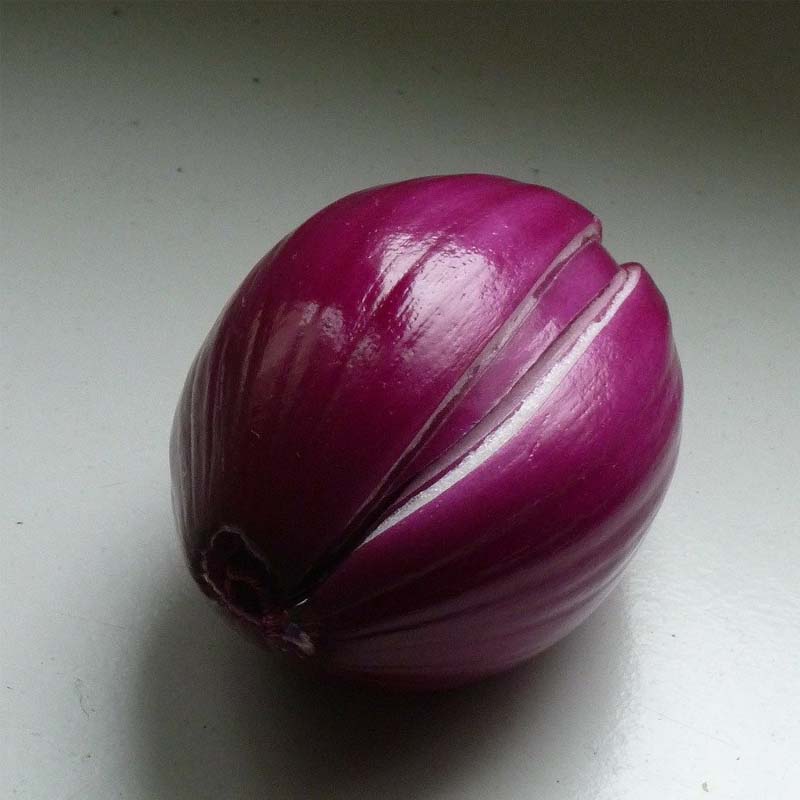
Tip: Lemon juice has a similar, albeit somewhat weaker, effect.
4. Vinegar
Vinegar is the jack-of-all-trades among home remedies. Apple cider vinegar is required for wasp stings. With it, you can neutralize the poison and at the same time relieve the itching. To do this, mix vinegar with water and dip a cotton ball into it, which you use to supply the sting. Even better: cold vinegar compresses to reduce the swelling.
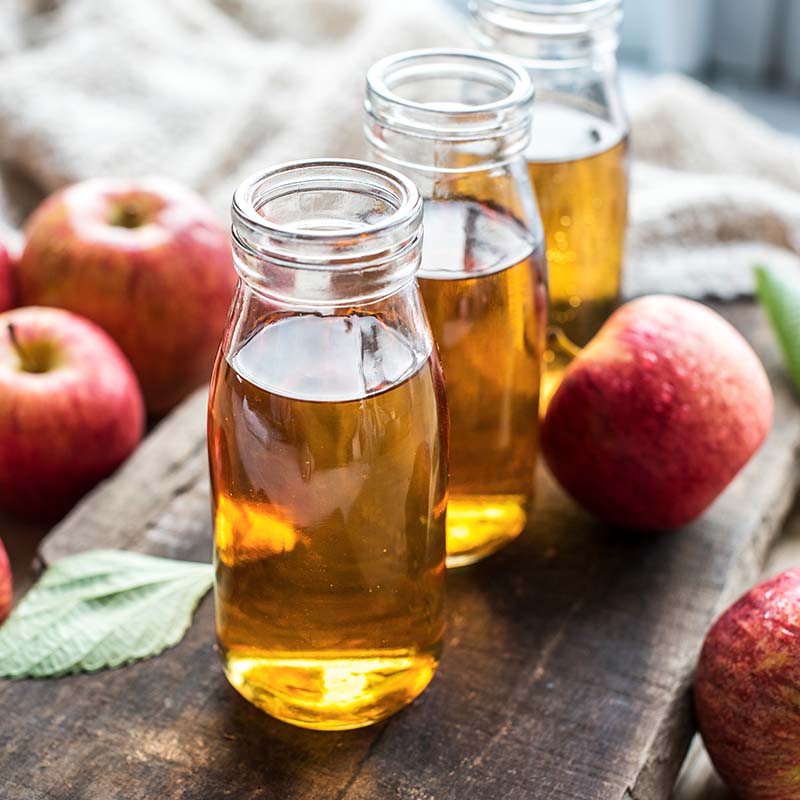
Tip: Alternatively, you can treat the wasp sting with a clay envelope (here on Amazon) * or spread liquefied soda powder (here on Amazon) * on it. Just like diluted vinegar, baking soda is basic and can therefore fight toxic acids.
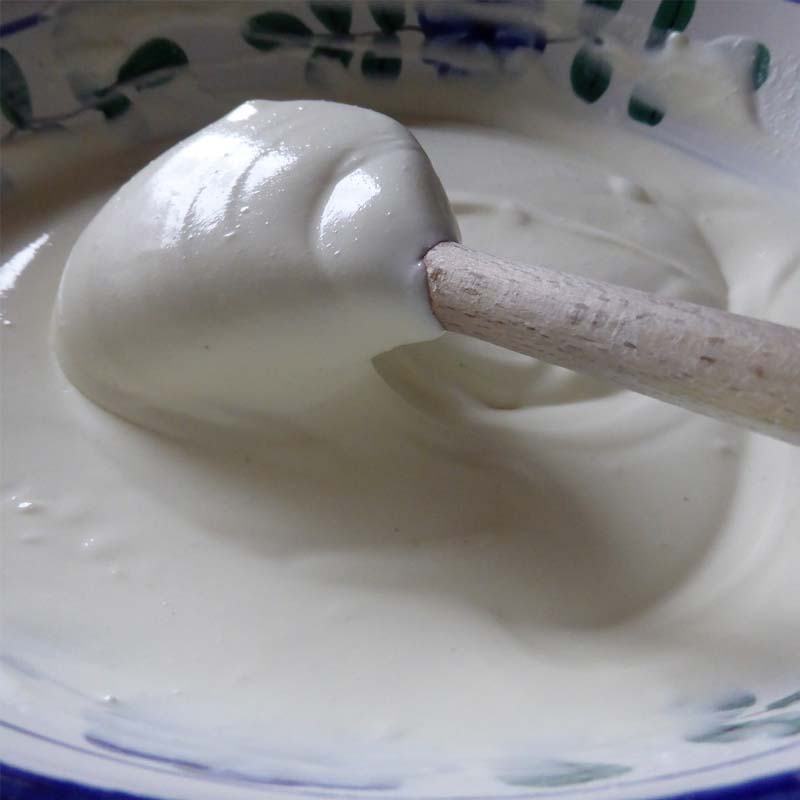
5. Curd
The lactic acid in the quark has a basic and thus neutralizing effect. Simply put some of it on a cloth dampened with cold water and wrap it around the wound as a quark wrap. Let it work for several hours and replace it if necessary. Quark comfortably cools insect bites and can prevent the swelling from spreading.
6. Saliva
A quick home remedy for treating wasp stings on the go is your own saliva. It is antibacterial and helps reduce inflammation and accelerate wound healing. To do this, rub some spit on the puncture site and massage it in gently.

Tip: for babies or infants, it is better not to use your saliva on their skins, it may bring herpes viruses into their sensitive organism.
7. Ribwort
If you’ve been stung by a wasp outdoors while picnicking or hiking, you can take advantage of the healing powers of the ribwort. The edible weeds grow on the roadsides. Its juice has an antibacterial effect. To get hold of it, rub the leaves between your fingers and dab the juice on the affected area.
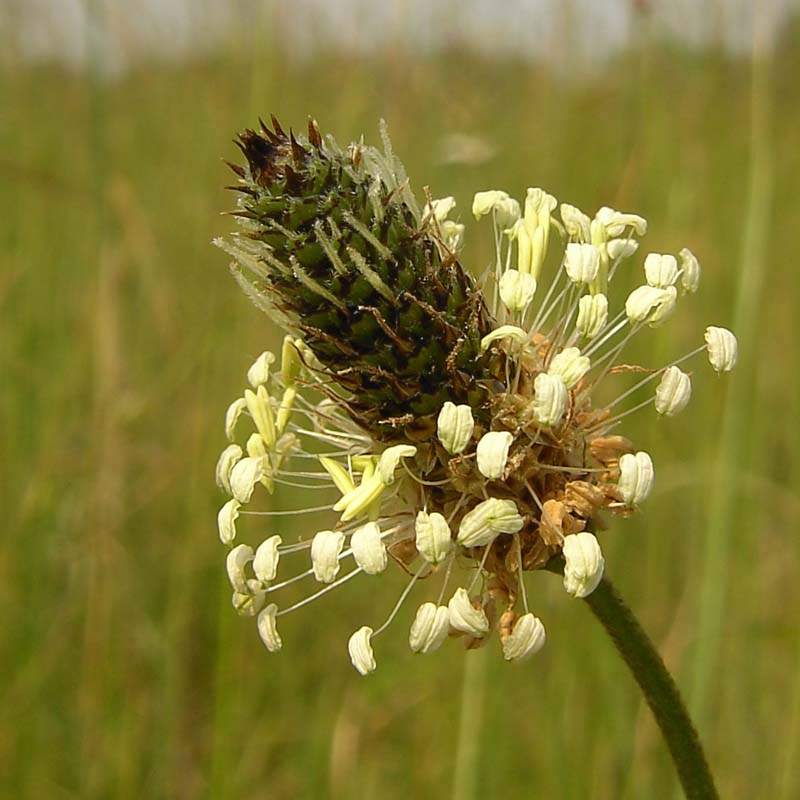
Tip: Even minor injuries and wounds can be treated with a ribwort plaster while on the move. Scout honor.
Now it’s important that you resist the temptation to scratch the sting. Then the wasp sting is quickly forgotten. Get well soon!