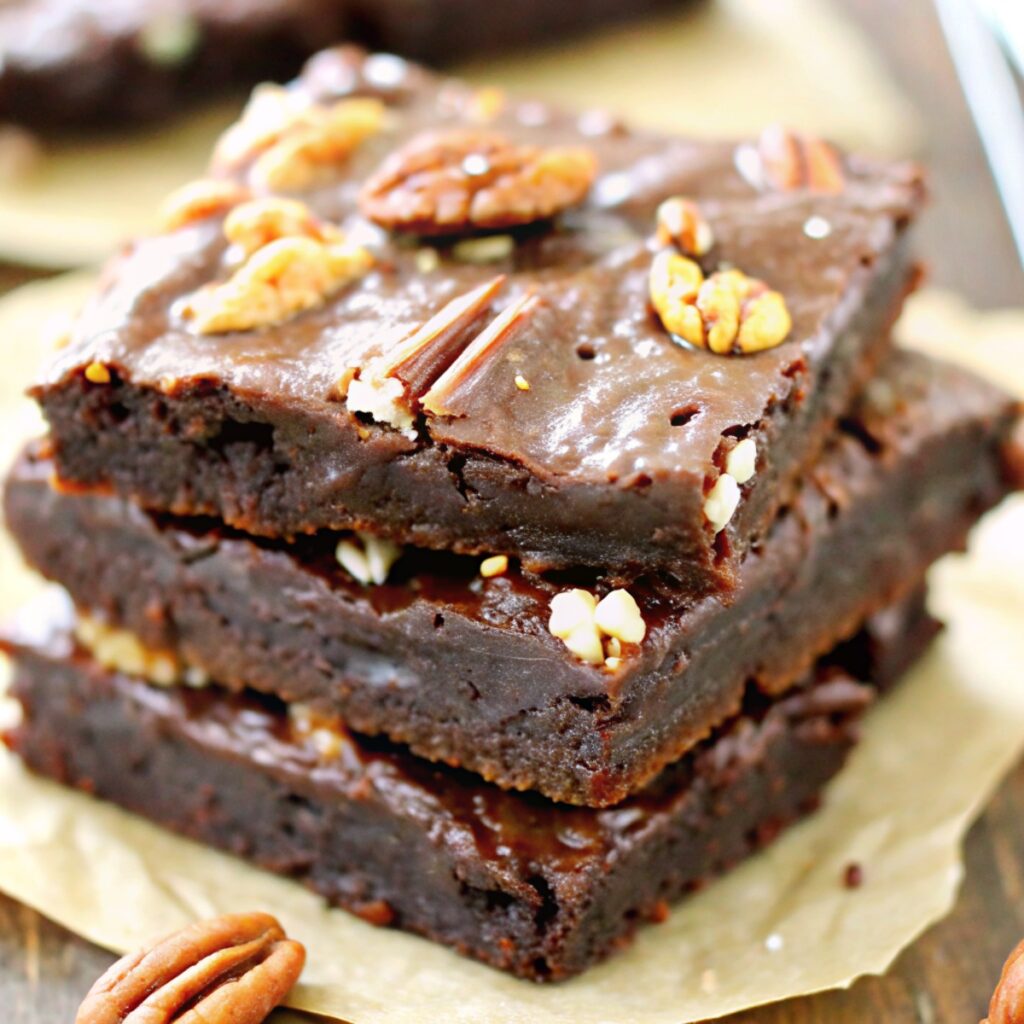
Today, we’re diving into the world of Texas Sheet Cake—a recipe that’s as much about mastering technique as it is about indulging in chocolatey bliss. At first glance, a sheet cake seems straightforward, but this iconic dessert offers a valuable lesson in creating ultra-moist cakes, balancing rich flavors, and achieving that signature pour-over frosting. We’ll explore the importance of ingredient sequence, temperature control, and the science of cocoa emulsification. By the end of this lesson, you’ll not only have a crowd-pleasing dessert but also a deeper understanding of foundational cake techniques that translate to many other recipes.
Why is this recipe a perfect one to learn? Texas Sheet Cake is forgiving yet precise. It teaches the home baker to blend wet and dry ingredients for optimal texture, how to use yogurt for tenderness, and the art of making a luscious, pourable chocolate frosting that crystallizes just enough for a shiny finish. You’ll discover why timing matters—pouring warm frosting onto a still-warm cake creates a seamless bond, locking in flavor and moisture. The use of pecans imparts crunchy contrast, but we’ll also discuss how to customize mix-ins depending on personal tastes and dietary needs.
Along the way, you’ll refine your skills with melting, whisking, and incorporating ingredients efficiently. You’ll also gain confidence making adjustments if you run into common cake conundrums, like dry crumbs or split frosting. This sheet cake isn’t just a dessert—it’s a practical lesson in cake geometry, texture, and the joy of sharing food made with intention. Whether you’re baking for a potluck or simply want a reliable chocolate fix, you’re about to become the master of a true Southern classic. Let’s get started!
How to Master Texas Sheet Cake
Click here to get printable version
The Tools & Ingredients You’ll Need
- 13×18-inch sheet pan
- Parchment paper
- Medium and small mixing bowls
- Large saucepan
- Whisk and spatula
- Measuring cups and spoons
- For the Cake:
-
- 2 sticks unsalted butter
- 1 cup water
- 1/2 cup plain Greek yogurt
- 2 large eggs
- 1 1/2 teaspoons vanilla extract
- 2 cups all-purpose flour
- 1 1/4 cups granulated sugar
- 1/4 cup light brown sugar
- 1 teaspoon baking soda
- 1 teaspoon salt
- 1/2 cup unsweetened cocoa powder
- For the Frosting:
- 1 stick unsalted butter
- 1/4 cup unsweetened cocoa powder
- 5 tablespoons milk
- 1 teaspoon vanilla extract
- 3 1/2 cups powdered sugar
- 1 cup pecans, roughly chopped
Step-by-Step Instructions
- Preheat your oven to 350°F and line a 13×18-inch sheet pan with parchment paper. (This ensures even baking and easy removal of the cake.)
- In a medium bowl, whisk together the flour, granulated sugar, brown sugar, baking soda, salt, and cocoa powder until well blended. (Combining dry ingredients evenly prevents clumps and ensures even leavening.)
- In a small bowl, beat the eggs with the Greek yogurt and vanilla extract until smooth. (Mixing these ingredients before adding prevents over-mixing the batter.)
- Melt the butter in a large saucepan over medium heat. Once melted, stir in the water and cocoa powder, and bring the mixture to a gentle boil, stirring occasionally. Remove from heat. (This step blooms the cocoa, releasing deep chocolate flavor.)
- Gradually add the dry flour mixture to the saucepan and whisk until everything is fully combined and smooth. Then, stir in the egg and yogurt mixture until you have a silky batter. (Adding wet to dry in stages minimizes lumps and ensures a tender crumb.)
- Pour the batter into your prepared pan and spread it evenly. Bake for about 20-22 minutes, or until the edges start to pull away from the pan. Let the cake cool for 10 minutes before frosting. (This short cooling time allows the frosting to partially melt into the cake for extra moisture.)
- While the cake cools, make the frosting. Melt the butter in a saucepan over medium heat. Stir in the cocoa powder and bring to a boil, stirring occasionally. Remove from heat. (Heating the cocoa with butter intensifies the chocolate flavor.)
- Whisk in the milk and vanilla, then slowly add the powdered sugar, mixing until smooth and glossy. Stir in half of the chopped pecans to add a nice crunch. (Gradual addition of powdered sugar prevents lumps and creates a pourable, shiny frosting.)
- Pour the warm frosting over the warm cake, spreading it evenly with a spatula. Sprinkle the remaining pecans on top for a beautiful, nutty finish. (Applying frosting while both components are warm helps them meld for the classic, glossy sheet cake finish.)
Understanding Ingredient Roles & Swaps
Every ingredient in Texas Sheet Cake serves a purpose. Butter provides flavor and moisture, while Greek yogurt adds tenderness and a slight tang, acting as a partial substitute for sour cream. If you’re out of yogurt, sour cream or buttermilk work well due to their similar acidity and fat content. All-purpose flour gives structure, but for a gluten-free version, a 1:1 gluten-free baking blend is a solid alternative. Pecans add a distinctive crunch and nutty flavor, but walnuts or toasted sunflower seeds can be used if pecans aren’t available or if allergies are a concern. The cocoa powder’s richness is essential—stick to unsweetened for control over sweetness, but Dutch-processed can deepen the chocolate notes.
Balancing Flavors: What to Serve Alongside
Texas Sheet Cake is rich and decadent, so complementing it with lighter sides enhances the overall dessert experience. Consider serving it with a dollop of unsweetened whipped cream or a scoop of vanilla ice cream to cut through the chocolate’s intensity. For a fresh, bright contrast, offer sliced strawberries or raspberries on the side—their acidity balances the cake’s sweetness. When serving at gatherings, pair with strong coffee or an iced cold-brew for adults, or a cool glass of milk for kids. The cake’s versatility shines at potlucks, picnics, or celebrations, where simple accompaniments let its chocolate flavor be the star.
Food Science: Storing Texas Sheet Cake for Optimal Flavor
Storing Texas Sheet Cake correctly preserves its trademark moistness. Once the cake has completely cooled and the frosting has set, cover the pan tightly with plastic wrap or aluminum foil. It will stay fresh at room temperature for up to three days thanks to the high moisture content from yogurt and butter. For longer storage, cut into squares and freeze, separated by parchment paper, in an airtight container for up to two months. Thaw at room temperature—avoid the microwave, which can make the frosting weep or the cake dry out. Proper storage maintains the cake’s soft texture and ensures the frosting remains glossy and delicious.
Technique Spotlight: Getting It Right Every Time
Consistency in technique guarantees sheet cake success. First, ensure all dairy ingredients are at room temperature before mixing; this promotes even emulsification and prevents curdling. When melting butter with cocoa, stir constantly to avoid scorching, which can create a bitter taste. Pour the frosting over the cake while both are still warm to allow seamless melding—a hallmark of authentic Texas Sheet Cake. Use a light hand when mixing the batter after adding the flour to avoid overdeveloping gluten, which can lead to a dense cake. These small but critical steps yield a cake with a moist crumb and smooth, glossy frosting every time.
Adapting Your Technique for Seasonal Produce
While Texas Sheet Cake is a classic, you can embrace the seasons by incorporating fresh, local ingredients. In spring, top the cake with fresh berries after frosting for a burst of color and tartness. In autumn, swap pecans for toasted hazelnuts or pumpkin seeds, and add a pinch of cinnamon to the batter for warmth. For summer, pair slices with grilled peaches or cherries for a fruity twist. Winter calls for candied orange peel or a hint of espresso powder in the frosting to deepen the flavor. No matter the season, thoughtful additions let you make this beloved cake your own.
Frequent Asked Questions:
Why is my Texas Sheet Cake dry instead of moist?
Dryness can result from overbaking, using too little liquid, or overmixing the batter. Ensure you measure your ingredients accurately, especially the wet components like butter, water, and yogurt. Bake just until the edges pull from the pan and the center is set—a few minutes too long can dry out the cake. Finally, avoid overmixing after adding flour, as this can develop excess gluten and toughen the crumb.
What’s the secret to a glossy, pourable frosting?
The glossy finish comes from proper emulsion of fat and sugar, and pouring the frosting while warm over a still-warm cake. Heating the butter and cocoa together releases flavor and allows the sugar to dissolve smoothly. Adding the milk gradually and whisking until glossy ensures a shiny finish. Letting the frosting cool too much before pouring can result in a dull, set topping rather than the classic sheet cake sheen.
Can I make Texas Sheet Cake without nuts?
Absolutely! The pecans add texture and a nutty flavor, but omitting them won’t affect the structure or overall success of the cake. If you need a similar crunch, try toasted seeds (like sunflower) or sprinkle with toasted coconut. For a fully nut-free version, simply skip the add-ins—the cake and frosting will still be delicious and moist.
Why does my chocolate frosting become grainy?
Grainy frosting typically results from undissolved sugar or overheating the mixture. To prevent this, always sift your powdered sugar before adding, and whisk thoroughly until the mixture is smooth and glossy. Avoid letting the mixture boil too fiercely, which can cause sugars to crystallize. If frosting becomes grainy, try whisking in a tablespoon of warm milk to smooth it out before pouring over the cake.
What causes the cake to sink in the middle?
A sunken cake usually means it was underbaked or the oven temperature was too low. Always preheat your oven, use an oven thermometer for accuracy, and check doneness by lightly pressing the center—it should spring back. Opening the oven door too early can also cause the cake to collapse, so wait until the minimum baking time has passed before checking.
How does Greek yogurt affect the cake’s texture?
Greek yogurt adds moisture, tenderness, and a subtle tang while contributing protein and fat for a richer crumb. Its acidity reacts with the baking soda, ensuring a light, fluffy rise. If swapped for another dairy, like buttermilk or sour cream, you’ll maintain similar benefits. Avoid using non-fat yogurt, which can result in a slightly drier texture compared to full-fat or reduced-fat versions.
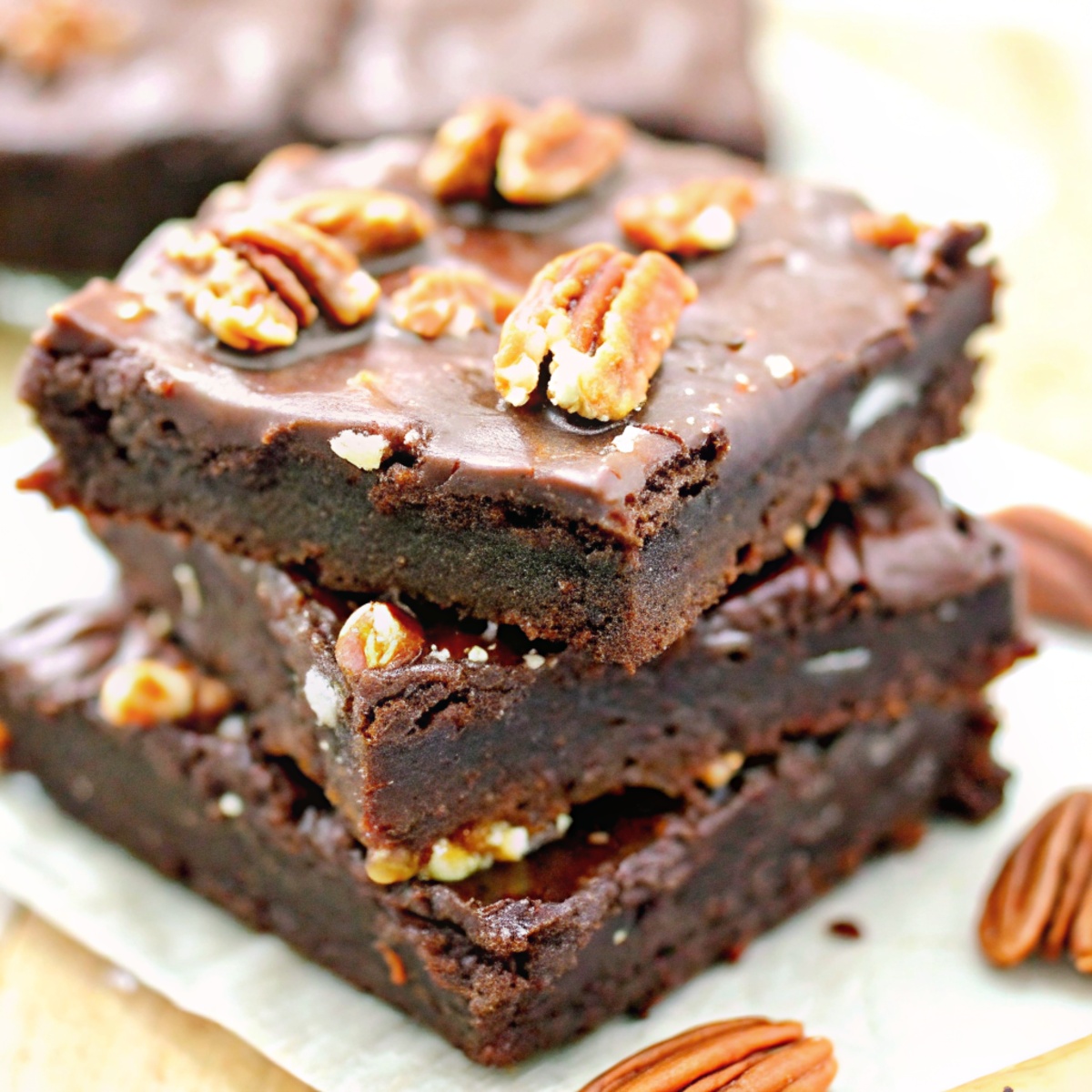
Texas Sheet Cake
Ingredients
For the Cake:
- 2 sticks unsalted butter
- 1 cup water
- 1/2 cup plain Greek yogurt
- 2 large eggs
- 1 1/2 teaspoons vanilla extract
- 2 cups all-purpose flour
- 1 1/4 cups granulated sugar
- 1/4 cup light brown sugar
- 1 teaspoon baking soda
- 1 teaspoon salt
- 1/2 cup unsweetened cocoa powder
For the Frosting:
- 1 stick unsalted butter
- 1/4 cup unsweetened cocoa powder
- 5 tablespoons milk
- 1 teaspoon vanilla extract
- 3 1/2 cups powdered sugar
- 1 cup pecans roughly chopped
Instructions
- Begin by preheating the oven to 350°F and prepare a 13x18-inch sheet pan with parchment paper for easy removal.
For the Cake:
- In a medium bowl, combine flour, granulated sugar, brown sugar, baking soda, salt, and cocoa powder, whisking until the mix is uniform.
- In another bowl, blend the eggs, Greek yogurt, and vanilla extract until smooth and well combined.
- In a large saucepan, melt the butter over medium heat. Once melted, mix in water and cocoa powder, bringing the combination to a gentle boil before removing it from heat.
- Gradually incorporate the dry mixture into the saucepan, whisking until a smooth batter forms. Mix in the egg and yogurt mixture until incorporated.
- Pour the batter into the prepared sheet pan and spread it out evenly. Bake for 20 to 22 minutes, or until the edges begin to pull away from the sides. Allow it to cool for 10 minutes before applying frosting.
For the Frosting:
- While the cake cools, prepare the frosting. Melt the butter in a saucepan over medium heat, add cocoa powder, and bring to a boil while stirring occasionally. Remove from heat once it begins to boil.
- Blend in milk and vanilla extract, then gradually incorporate the powdered sugar until the mixture is smooth and glossy. Fold in half of the chopped pecans for added texture.
- Spread the warm frosting over the cake while it’s still warm, using a spatula for even coverage. Finish by sprinkling the remaining pecans atop for a delightful touch. Enjoy your cake!